Cost of Limo BusOwnership: Comparing Fuel, Maintenance & Repairs by Chassis Type
October 2, 2025
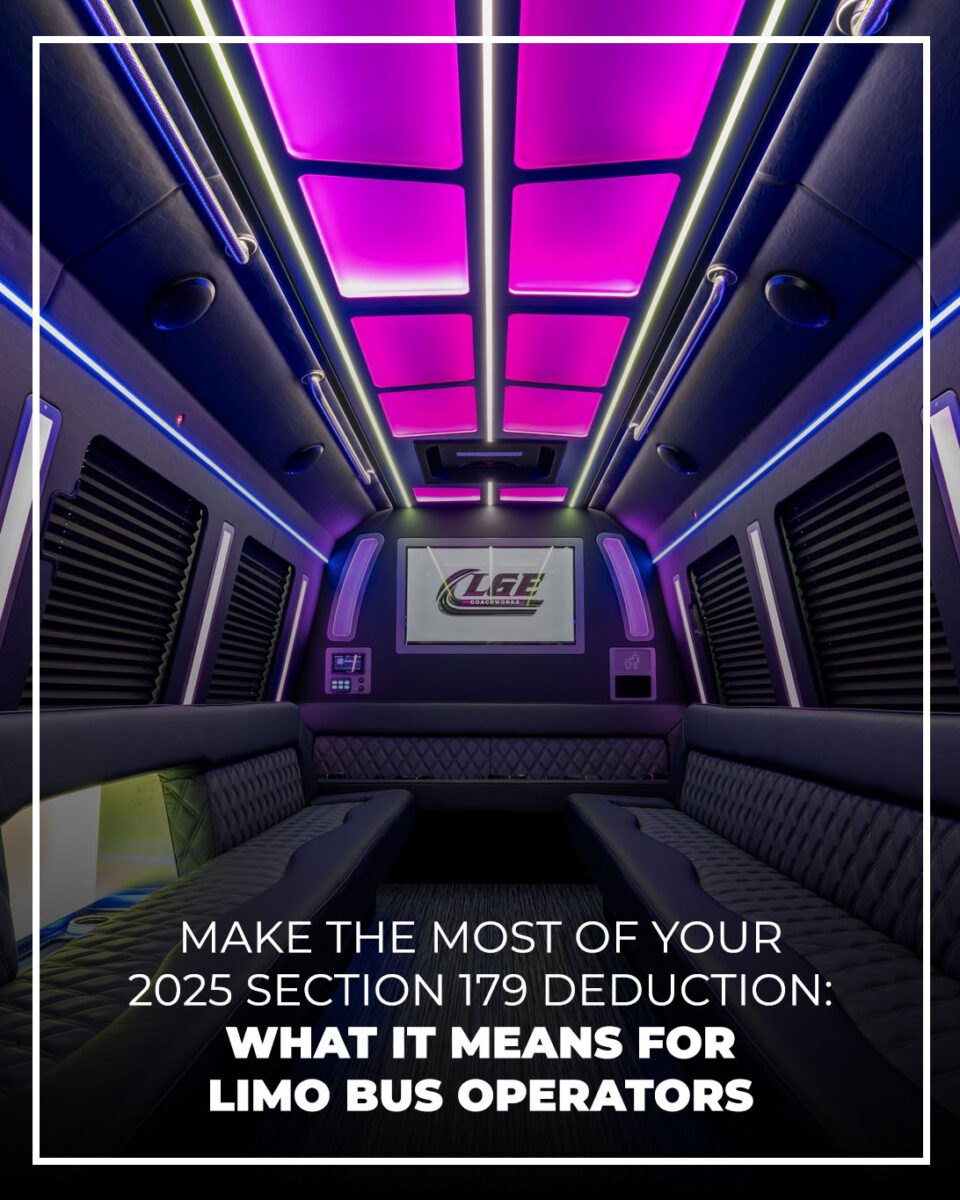
Make the Most of Your 2025 Section 179 Deduction: What It Means for Limo Bus Operators
November 11, 2025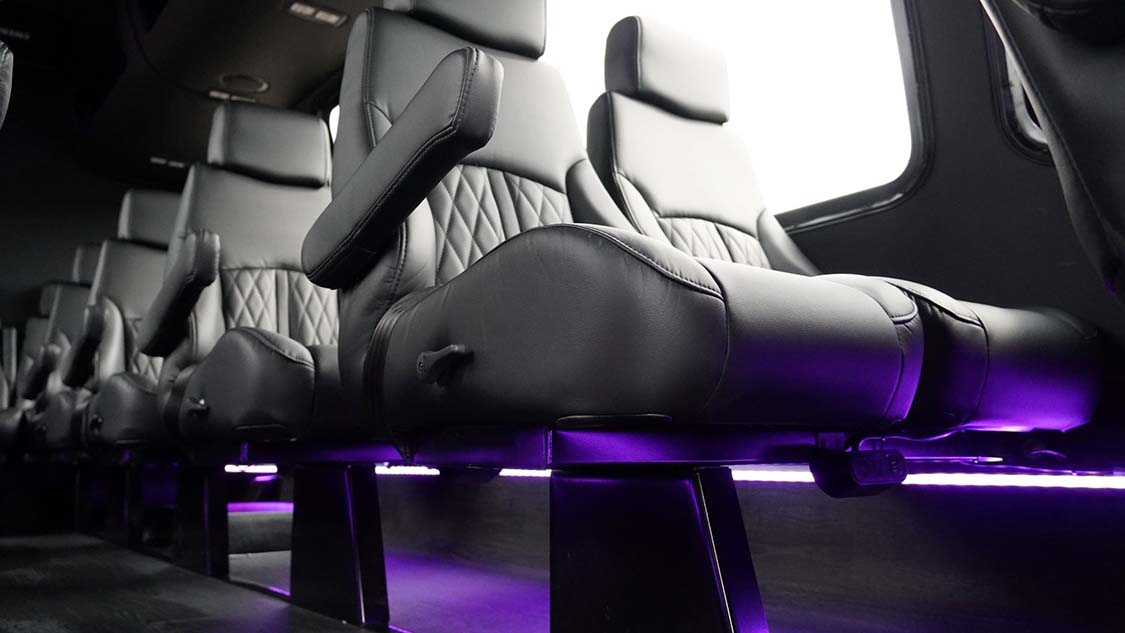
Building a high-end limo or party bus is more than just curb appeal and plush interiors — it’s an investment that needs to deliver profit over time. In this post, we’ll explore strategies to maximize your return on investment (ROI) through smart build decisions, efficient operations, and preservation of resale value.
Key Takeaways
-
-
A profitable limo or bus build starts with a clear understanding of your market and service niche.
-
Choosing flexible layouts and durable materials increases utilization and reduces downtime.
-
Operational efficiency — from driver training to preventive maintenance — directly impacts profitability.
-
Maintaining resale value through smart design and meticulous records protects long-term ROI.
-
Standardizing chassis and systems across your fleet reduces future costs and simplifies scaling.
-
1. Start with a Business-First Mindset: Know Your Market
Before you even pick a chassis or interior layout, get clear on who your customers are and what services you’ll run.
-
Service niche: Weddings? Nightlife/party circuits? Corporate/VIP transport? Airport shuttles?
-
Route profiles: Urban streets, highway travel, charter tours, rural areas
-
Booking volume expectations: Seasonal peaks, daily demand, downtime or idle periods
Knowing these helps you balance capacity, luxury features, and operating costs so your vehicle is optimized for your actual customers — not just a showroom build.
2. Choose Configurations That Support High Utilization
To drive up ROI, your vehicle needs to spend more hours working than sitting idle. A few build decisions can support that:
-
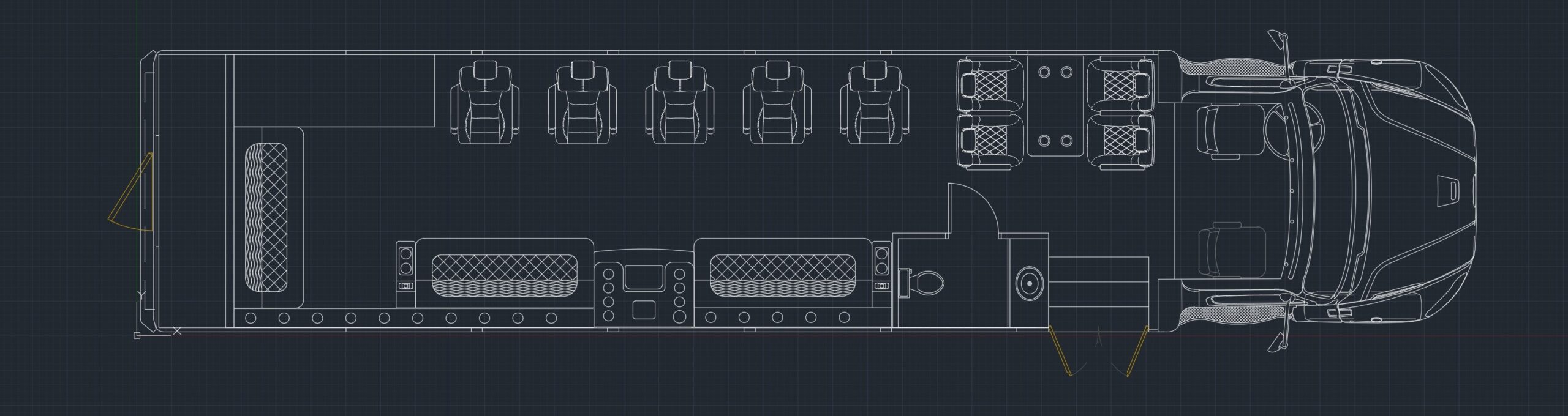
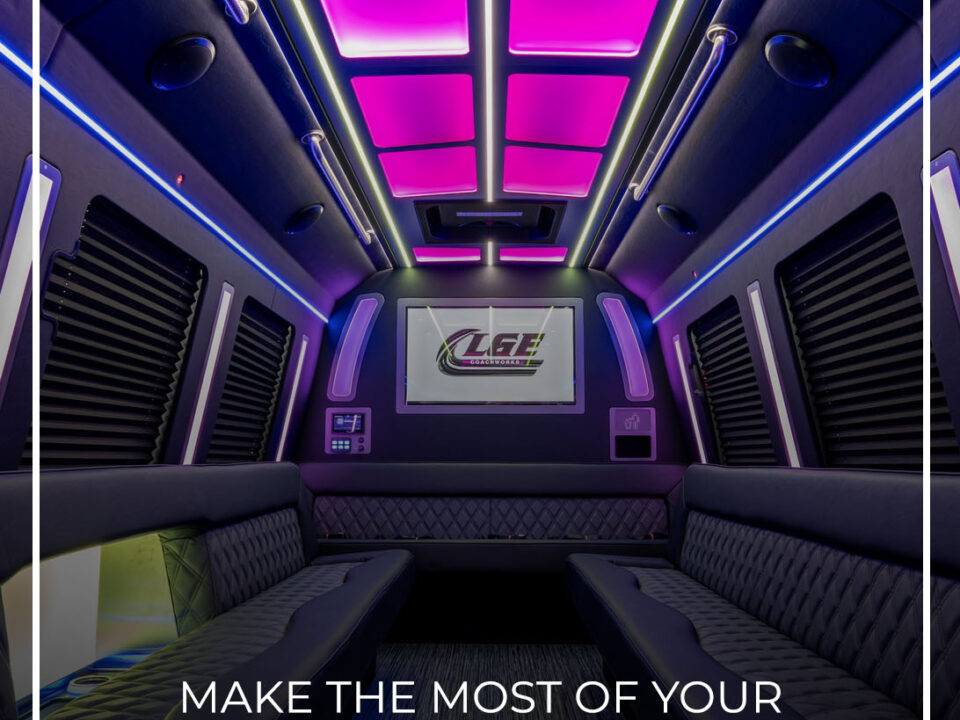
Flexible interiors: Modular seating or convertible lounge layouts serve more types of events.
-
Durable finishes: Scratch- and stain-resistant materials withstand frequent turnover.
-
Reliable systems: Proper HVAC, lighting, and power setups keep the vehicle working long shifts without strain.
Overbuilding in one area (e.g., ultra-delicate trim) may look great in photos but can cost you in maintenance and downtime.
3. Optimize Operational Efficiency
Even with a premium build, margins come down to operating costs. Keep them in check:
-
Route planning & scheduling: Minimize empty miles and deadhead runs.
-
Driver training: Encourage smooth driving habits that reduce fuel use and wear.
-
Preventive maintenance: Catch small issues before they become downtime.
-
Fuel management: Track idle time and consider auxiliary power systems.
-
Parts & service network: Partner with local shops for faster turnaround.
Each minute your coach is down is lost revenue — focus on reducing that.
4. Protect (and Leverage) Your Resale Value
Even if you plan to hold onto your vehicle for years, resale value matters.
-
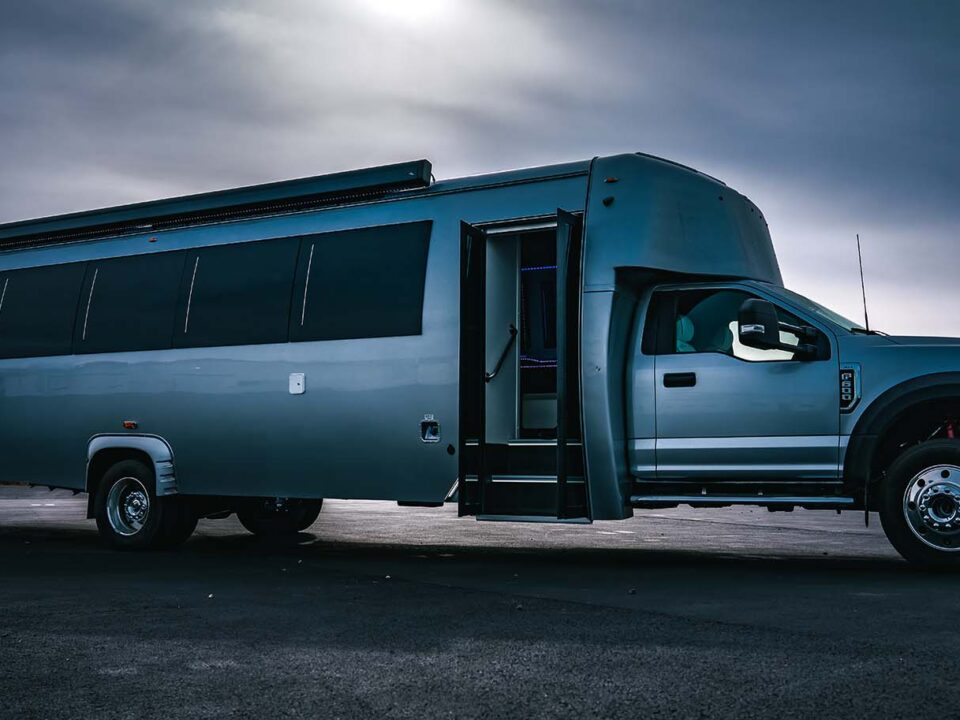
Chassis reputation: Well-known, proven platforms like Ford F-Series or Sprinter hold demand.
-
Service records: Documenting maintenance boosts buyer confidence.
-
Upgradable systems: Modular wiring, lighting, and AV setups allow for future refreshes.
-
Timeless design: Classic, elegant interiors age better than overly trendy styles.
When the time comes to sell or trade, these factors help you recover more of your investment.
5. Case Study: High-Utilization Build Payback
Let’s walk through a simple example:
-
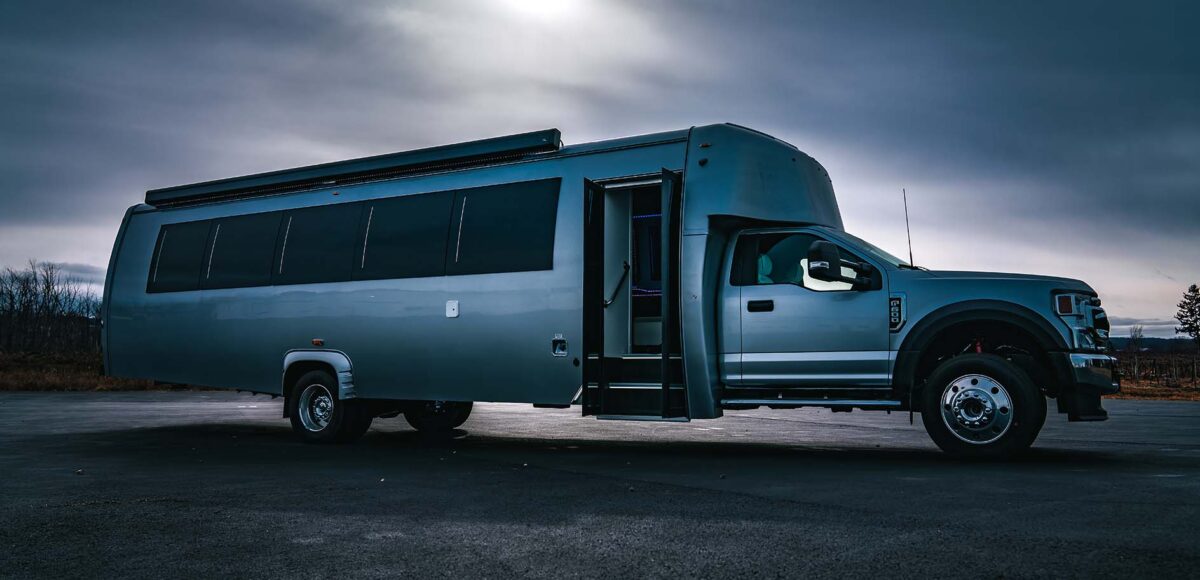
Build: 28-passenger party bus on an F550 chassis
-
Cost of build: $350,000
-
Annual bookings: 200 days/year at $1,200/day = $240,000 gross revenue
-
Operating costs: ~$80,000/year
-
Net before financing/taxes: $160,000
That means you could recoup your investment in 2–3 years with a high-utilization, well-built coach — compared to 4–5 years for a less optimized build.
6. Build for Scalability & Growth
Your first coach should be a revenue engine — but plan for future expansion.
-
Standardize chassis and systems: Easier parts management and driver training.
-
Centralize data: Track usage, maintenance, and profitability metrics.
-
Design for duplication: Proven layouts can become templates for future builds.
Final Thoughts
Your luxury limo or party bus isn’t just a vehicle — it’s a major capital asset. To make it truly pay off, you need to think beyond the “wow factor” and lean into smart design, disciplined operations, and long-term value preservation.
If you’re ready to spec a vehicle that balances luxury and profitability, LGE Coachworks can help you build toward better ROI from day one.
👉 Contact our team to discuss your business goals and start designing your next high-performing build.
FAQ: